
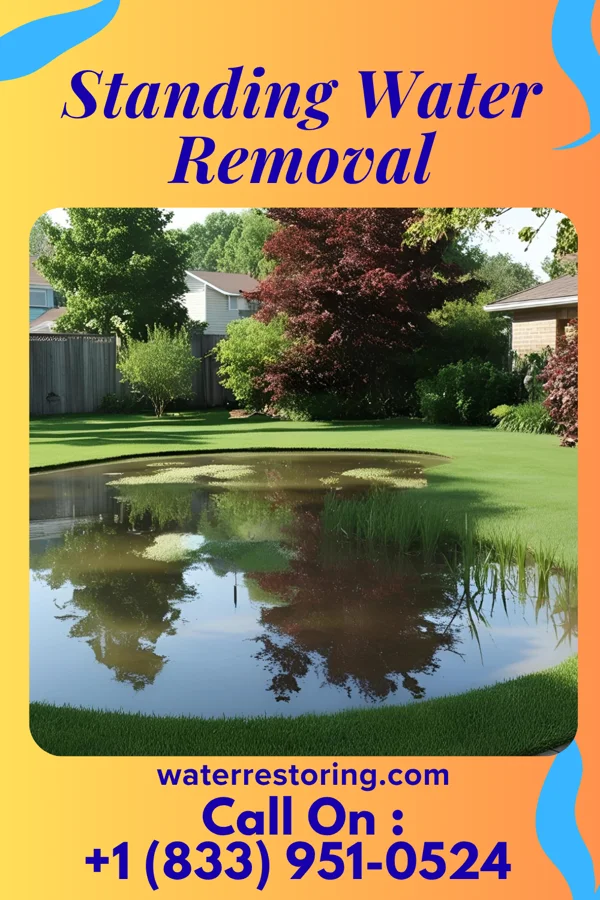
Nashville Standing Water: What Owners Should Know
Residential or commercial, water damage emergencies in Nashville keep coming back to the same drivers. In Nashville, Kansas, water damage often stems from agricultural runoff and sudden weather changes common in the rural plains. Flash flooding from nearby rivers and drainage issues in the surrounding farmland can quickly lead to basement or foundation water intrusion. sits at the top of the list. A close second is Secondary causes include sewer backups from aging infrastructure and leaks from irrigation systems used in the area's farming community. Additionally, snowmelt in the spring can overwhelm local drainage systems, causing water to seep into homes..
Nashville's rural location and flat terrain make it particularly vulnerable to prolonged rainfall events and sudden water accumulation. The area's climate, with hot summers and cold winters, can also lead to frozen pipes and condensation issues in older homes.
Water damage in Nashville follows a few local patterns. In Nashville, Kansas, water damage often stems from agricultural runoff and sudden weather changes common in the rural plains. Flash flooding from nearby rivers and drainage issues in the surrounding farmland can quickly lead to basement or foundation water intrusion. accounts for the bulk of our calls. Nashville's rural location and flat terrain make it particularly vulnerable to prolonged rainfall events and sudden water accumulation. The area's climate, with hot summers and cold winters, can also lead to frozen pipes and condensation issues in older homes. Mold growth in Nashville can develop rapidly due to the region's high humidity and frequent temperature fluctuations. Prompt action is critical to prevent long-term structural damage and health risks in homes and buildings.